




Introduction
Communication in the digital age relies heavily on visual expression. Words alone often fail to capture our true feelings. Consequently, emojis have become a universal language. They bridge gaps between cultures and languages. A simple smiley face can change the tone of a message instantly. However, many Android users struggle to access this vast library of icons. They might feel limited by their default settings. This is a common frustration. Therefore, understanding the mechanics of your device is crucial. You need to know the specific steps to unlock these features. This article focuses on the practical steps for how to add emoji to keyboard android. We want to ensure you can express yourself fully.
Furthermore, the Android operating system is diverse. Manufacturers like Samsung, Google, and OnePlus use different interfaces. They often have distinct keyboard apps. This variety can make tutorials confusing. One method might work on a Galaxy phone but fail on a Pixel. Therefore, we have compiled a comprehensive guide. Additionally, we will explore third-party options. The goal is to provide a solution for every user. No matter what device you own, you will find answers here.
Moreover, emojis are constantly evolving. New icons are added every year. Your keyboard needs to keep up. Sometimes, the issue is not finding the emoji. The issue is having the right version. We will discuss software updates. We will also touch on compatibility issues. You want your recipient to see the same emoji you sent. This requires knowledge of Unicode standards. We will break down these technical concepts simply. By the end of this guide, you will be an emoji expert. You will navigate your keyboard with speed and confidence. Your digital conversations will become more vibrant and engaging. Let us unlock the full potential of your Android keyboard together.
Understanding the Built-in Android Emoji System
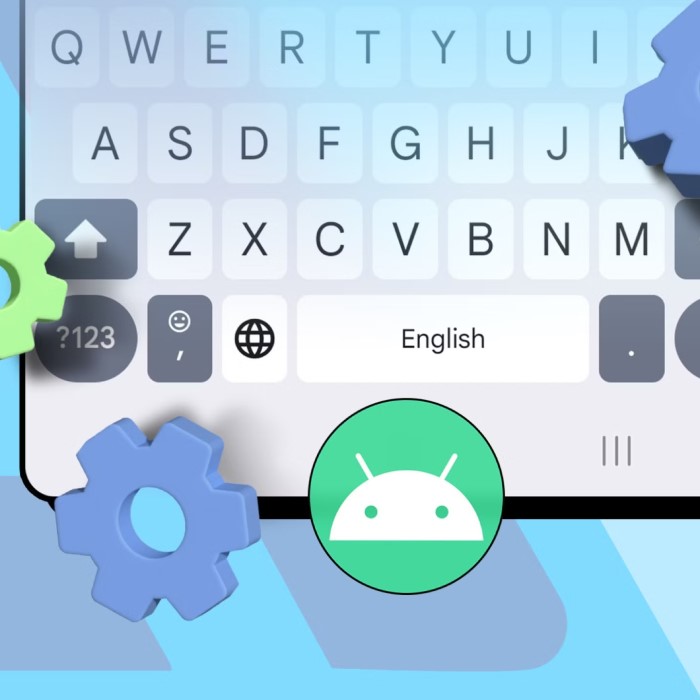
The Android operating system has native support for emojis. You usually do not need to download extra files. However, the way you access them varies. Most modern Android devices come with a pre-installed keyboard. This keyboard has an emoji feature built directly into it. For many users, the feature is already active. They just need to know where to look. Therefore, the first step is exploration. You should look for a smiley face icon on your keyboard. It usually sits near the space bar or the enter key. Tapping this icon opens the emoji library.
Furthermore, the visual style of emojis depends on your Android version. Google updates the emoji designs with every major OS update. If your phone is older, your emojis might look different. They might also lack the newest icons. Consequently, keeping your system updated is vital. The Unicode Consortium defines the list of emojis. Android implements these definitions. If you send a new emoji to an old phone, it might appear as a blank box. This is a compatibility issue. Therefore, understanding the system helps you troubleshoot. You can manage your expectations regarding what you can send and receive.
Additionally, the built-in system offers predictive emoji suggestions. As you type, the keyboard suggests relevant emojis. This feature saves time. You do not need to open the emoji menu constantly. For instance, typing “happy” might suggest a smiling face. This integration makes communication seamless. However, this feature must be enabled in settings. We will explain how to check this later. The built-in system is robust. It is designed for efficiency. Mastering it is the first step to answering the question of how to add emoji to keyboard android. It is usually simpler than you think.
Mastering Gboard: The Google Keyboard Standard
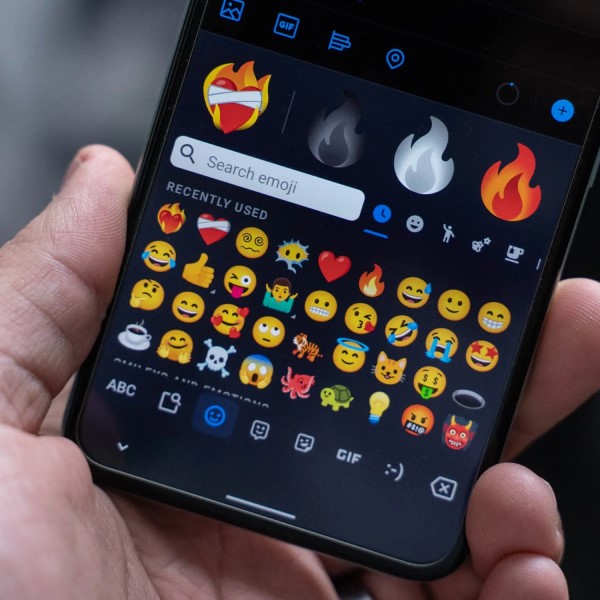
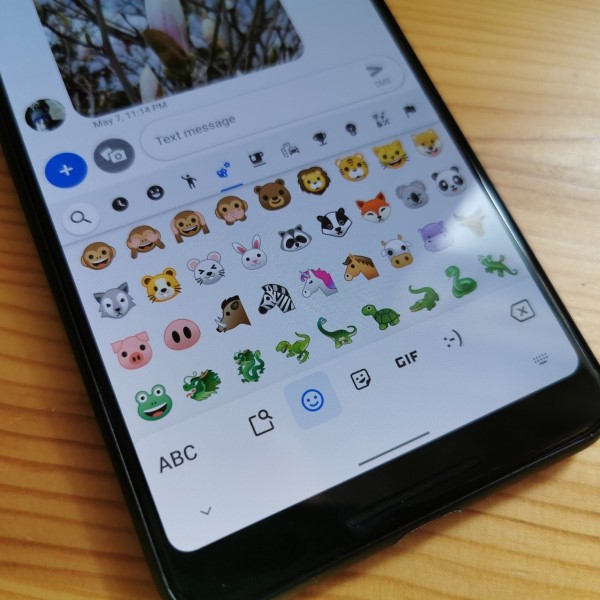
Gboard is the most popular keyboard on Android. It is the default on Pixel phones. Many other users download it voluntarily. It offers a clean interface and powerful features. Accessing emojis on Gboard is straightforward. First, open any app that allows typing. This could be your messaging app or notes. Look for the emoji icon. It is usually a smiley face located near the bottom right corner. Tap this icon once. The keyboard will switch to emoji view. You will see a vast grid of icons. You can swipe left or right to browse categories.
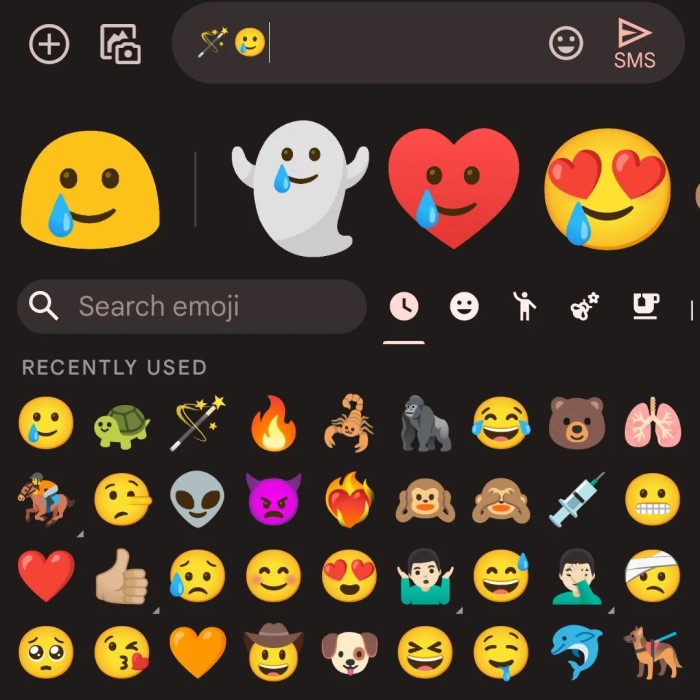
Moreover, Gboard offers a search function. This is incredibly useful. Suppose you want a specific emoji, like a cactus. You can tap the search icon or type in the search bar. Type “cactus,” and the emoji appears instantly. This eliminates endless scrolling. Consequently, you can find the perfect expression quickly. Gboard also supports “Emoji Kitchen.” This feature combines two emojis into a custom sticker. It unlocks a new level of creativity. You can combine a cowboy hat with a cat. The possibilities are endless. This feature is exclusive to Gboard.
Additionally, you can switch between emoji and text rapidly. There is a small ABC button to return to letters. You can also long-press the emoji icon. This reveals a quick menu. From here, you can switch to GIFs or stickers. Gboard integrates these three elements seamlessly. If you do not see the emoji button, you might have disabled it. Go to your phone’s Settings. Navigate to System and then Languages & input. Select Virtual keyboard and then Gboard. Ensure the “Show emoji switch key” option is turned on. This restores the functionality. Gboard is designed for speed. Learning its shortcuts will drastically improve your typing experience.
Samsung is a major player in the Android market. Their devices use the proprietary Samsung Keyboard. It functions slightly differently from Gboard. However, it is equally powerful. To access emojis on a Samsung device, open your keyboard. Look for the emoji icon. On newer Samsung phones, it is often a smiley face near the space bar. On older models, it might be accessible via a button on the top toolbar. Tapping this icon brings up the emoji list. The layout is organized by categories. You see tabs for smileys, animals, food, and more.
Furthermore, Samsung Keyboard offers robust predictive text. It learns your habits over time. It will suggest emojis based on your most used phrases. You can also customize the keyboard toolbar. If the emoji button is missing, you can add it back. Open the keyboard settings by tapping the gear icon. Select “Smart typing.” Look for “Customize toolbar keys.” Here, you can drag the emoji icon into your active toolbar. Consequently, you ensure it is always visible. Samsung also allows you to change the color and mode of the keyboard. This personalization extends to the emoji experience.
Additionally, Samsung supports AR Emoji. These are personalized animated emojis. They look like you. You can create an AR Emoji sticker pack. Open the camera app and switch to AR Emoji mode. Take a selfie. The phone generates a cartoon version of you. These stickers integrate with the Samsung Keyboard. You can send them in messages just like standard emojis. This feature is unique to Samsung. It adds a personal touch to your chats. Understanding Samsung’s specific tools is essential. It provides a complete answer for users wondering how to add emoji to keyboard android on Galaxy devices.
Exploring Third-Party Emoji Keyboards
Sometimes, the built-in options are not enough. You might want more variety. Or perhaps you want a different aesthetic. In this case, third-party keyboards are the solution. The Google Play Store is full of keyboard apps. Popular options include SwiftKey, Chrooma, and FancyKey. These apps often come with specialized emoji packs. Some even allow you to create your own emojis. Installing them is easy. Go to the Play Store and search for a keyboard. Download and install the app. Then, you must enable it in your Android settings.
However, switching keyboards can be tricky. After installation, go to Settings. Select System and then Languages & input. Tap “Virtual keyboard.” You will see a list of installed keyboards. Toggle the switch next to your new keyboard on. Then, select it as your default input method. Now, when you type, the new keyboard will appear. Most third-party keyboards place the emoji icon prominently. Usually, it is a central button or an icon in the toolbar. SwiftKey, for example, uses a dedicated emoji key. It also predicts emojis as you type, similar to Gboard.
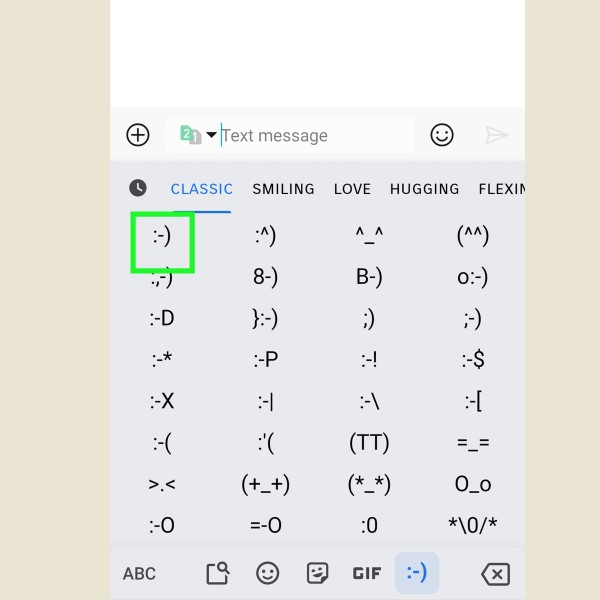
Furthermore, these apps offer themes. You can match your keyboard to your wallpaper. Some keyboards offer “Kaomoji.” These are Japanese-style text faces like ¯_(ツ)_/¯. They are popular in specific communities. Third-party apps often update their emoji libraries faster. They add trending stickers and GIFs. Consequently, they provide a fresh experience. However, be mindful of privacy. Keyboards process everything you type. Only download apps from reputable developers. Check the reviews and permissions. If you prioritize variety, a third-party keyboard is a great way to expand your emoji horizons.
The Importance of Software Updates for New Emojis
Emojis are not static. They evolve every year. The Unicode Consortium releases a new batch of emojis annually. These include new skin tones, objects, and symbols. For example, recent updates introduced the melting face and the biting lip. Your Android phone needs a software update to see these. If you do not update, you might see a blank box. This happens when someone sends you a new emoji. Your system does not have the code to display it. Therefore, regular updates are crucial for compatibility.
Furthermore, keyboard apps need updates too. Gboard and Samsung Keyboard receive updates via the Play Store. These updates add new sticker packs and features. You should enable automatic updates for your apps. This ensures you always have the latest icons. Sometimes, a new Android version is required for system-level emoji changes. For instance, Android 14 might support a specific set of emojis that Android 11 does not. Consequently, check your phone’s update status. Go to Settings and then System Update. Download any pending updates. This resolves many display issues.
Additionally, updating your device improves security. It ensures your phone runs smoothly. It fixes bugs that might affect keyboard performance. An outdated phone can become slow. The keyboard might lag when switching to emoji view. Therefore, keeping your software current is a holistic solution. It solves the problem of missing emojis. It also improves your overall user experience. Do not ignore those update notifications. They are the key to maintaining a modern and expressive digital life.
Troubleshooting Common Emoji Issues on Android
Sometimes, things go wrong. You might follow all the steps and still have issues. A common problem is a missing emoji button. This can happen after a software update. Or it might occur if you accidentally changed a setting. Do not panic. First, restart your phone. A simple restart clears temporary cache files. It often resolves minor glitches. If the button is still missing, check your keyboard settings. Navigate to the keyboard preferences. Ensure the emoji switch key is enabled. We covered this in the Gboard and Samsung sections.
Another common issue is the “blank box” problem. You receive a message with a square with an X inside. This means your phone does not support that specific character. It usually happens with very new emojis. The solution is to update your system. If an update is not available, ask the sender to use a different emoji. You can also use a third-party app that supports the latest Unicode. These apps sometimes render emojis that the system cannot. Consequently, you have alternatives while waiting for a system update.
Furthermore, the keyboard might freeze on the emoji screen. This is a performance issue. It happens if your storage is full. Or if you have too many apps running. Clear the cache of your keyboard app. Go to Settings, then Apps, and find your keyboard. Tap Storage and then Clear Cache. This resets the app without deleting your personal data. It often restores speed. If emojis are not appearing in social media apps, check the app settings. Some apps have their own emoji sets. You might need to update the specific app, like Instagram or WhatsApp. Troubleshooting is a process of elimination. Stay patient and methodical.
Advanced Emoji Tips and Hidden Features
Once you master the basics, you can explore advanced features. Did you know you can create emoji shortcuts? Gboard allows you to create text shortcuts. Go to Dictionary in the Gboard settings. You can add a phrase. For example, type “smile.” Set the shortcut to expand to your favorite smiling emoji. Now, every time you type “smile,” the emoji appears. This saves time for your most used icons. It is a productivity hack for power users.
Additionally, explore the world of GIFs. Most modern keyboards integrate a GIF search. Gboard has a dedicated button for this. You can search for reaction GIFs. These are technically not emojis. However, they serve the same purpose. They express emotion dynamically. Samsung Keyboard also has a GIF tab. You can browse trending GIFs or search for specific ones. This expands your creative toolkit significantly. You are no longer limited to static images. You can send short video clips and animations.
Finally, try “Emoji Kitchen” on Gboard if you haven’t already. It is a hidden gem. Combine two unrelated emojis. The system generates a custom sticker. For example, combine a ghost and a pizza. You get a ghost eating pizza. These stickers are fun and unique. They make your conversations stand out. They are perfect for inside jokes. The world of Android input is rich with hidden features. Exploring them makes digital communication more enjoyable. You can truly personalize your style. This advanced knowledge ensures you get the most out of your device.
Frequently Asked Questions
How to add new emoji to keyboard Android?
You typically do not need to manually add new emojis. They are included in system updates. Ensure your Android OS is updated to the latest version. Additionally, update your keyboard app through the Google Play Store. This ensures you have the newest Unicode characters supported.
How to type 😊 on keyboard?
Open your keyboard and tap the emoji icon. Swipe to the smiley face category. You can also type the word “smile” or “happy.” Most keyboards will suggest the 😊 emoji in the suggestion bar above the letters. Simply tap the suggestion to insert it.
How to activate emoji keyboard?
Go to your device Settings. Navigate to System and then Languages & input. Select Virtual keyboard. Choose your active keyboard (e.g., Gboard). Ensure the “Show emoji switch key” option is enabled. Now, the emoji key will appear on your keyboard for easy access.
Conclusion
Emojis have revolutionized how we communicate on our phones. They add color and emotion to our digital lives. Mastering them is essential for modern interaction. We have explored the various methods for how to add emoji to keyboard android. From the built-in settings of Samsung and Gboard to third-party solutions, the power is in your hands.
The digital landscape is always changing. Therefore, staying updated is vital. Keep your apps and system current. This ensures you never miss out on the latest trends. Whether you prefer a simple smiley or a complex GIF, your Android device is capable. We hope this guide has been helpful. Now, go out and express yourself. Your keyboard is a tool for creativity. Use it to its full potential. Happy texting!